Read the article in Dutch here: Zenobe ziet ruimte voor meer eenhoorns in de Europese energiesector
Founded in 2016, Zenobe now serves companies in eleven countries and was valued at over a billion euros within a few years - a unicorn, though Meersman doesn’t place much stock in the label. “That’s a venture capital term. Many unicorns have turned into zombie companies - they were skilled at raising capital but then fail to support customers or generate sustainable cash flow.”
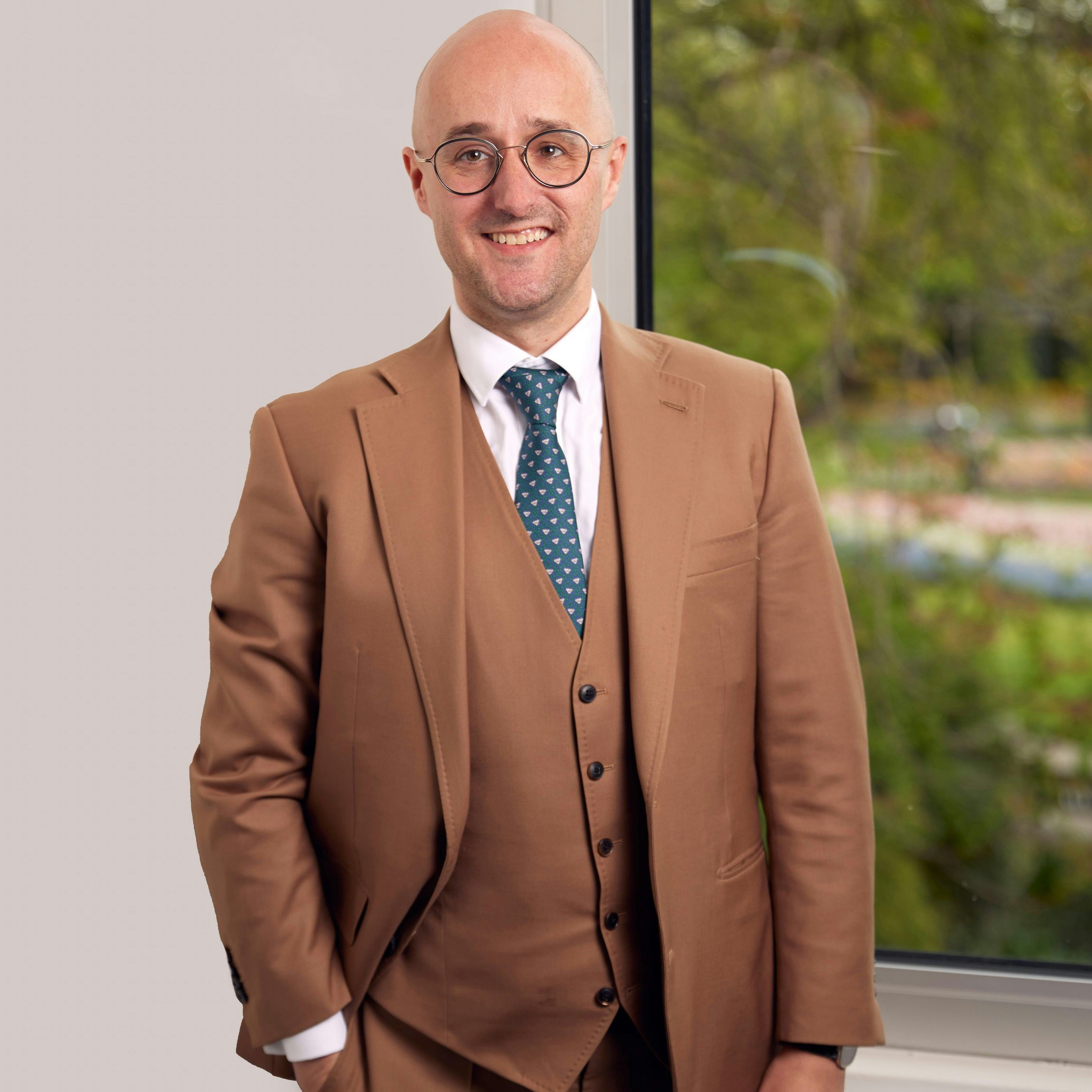
Zenobe continues to grow by about 60% annually, precisely because early growth didn’t come easily, says Meersman. The Flemish entrepreneur worked in technology and energy trading across several countries before settling in London. There, he and two partners started Zenobe in the basement of a Costa Coffee on Piccadilly Circus. Their first concrete plan was to place a battery container in a field and connect it to the grid - a revolutionary idea in 2016.
Every Penny Counts
Meersman reflects, “We were lucky to struggle raising capital at first. Venture capitalists thought we were too capital-intensive, private equity saw us as too small, and infrastructure funds considered us too new.” So, the founders turned to friends and acquaintances. “We were lucky they were more successful than we were,” Meersman jokes.
At the time, he found the process painful, as it involved many small, consecutive funding rounds, starting with £7,000. Meersman and his partners kept asking their network for small top-ups to expand step by step. “We had to make every penny count before spending it. That discipline is crucial.” According to Meersman, Zenobe’s success also stems from combining a long-term vision with the flexibility to adapt in a changing market. “No rigid planning, just guidelines.”
Constructive Feedback
Meersman also credits the expertise of early investors. “One was in energy trading, another a non-executive at Shell. Their constructive feedback was invaluable. Startups risk becoming insular, navel-gazing instead of seeing what’s happening around them.”
Among the three founders, there was also constructive tension. “I have a background in energy trading and battery technology. James knows the UK’s regulatory energy system inside out. And Nicholas, a former banker, understands the financial side of infrastructure and how to turn around struggling companies.” These complementary skills allowed them to exchange ideas and address problems openly. “You don’t do that as easily with acquaintances.”
Island Advantage
Meersman saw the UK as an ideal place to start a battery business. “As an island, the UK had to find solutions for renewable energy intermittency before mainland Europe. Germany started with wind turbines much earlier, but can export surplus energy to neighbors. The UK can’t. This made the government more open to new technologies.” The UK’s single grid operator also simplified things for Zenobe. At the same time the country is conservative, Meersman notes this brings stability. “The energy transition seems to be progressing more smoothly here than elsewhere.”
Opportunities
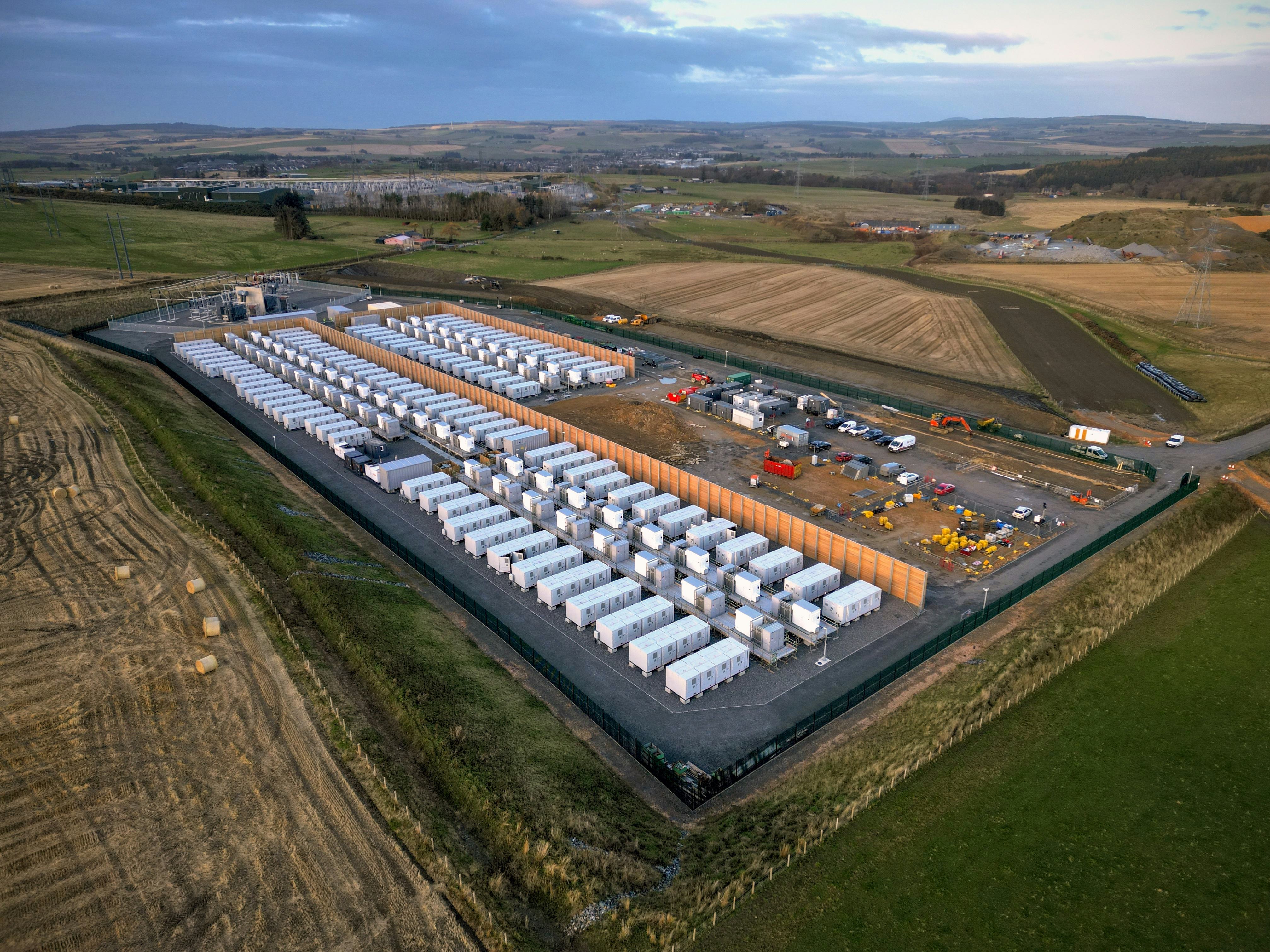
Meersman sees the Netherlands and Belgium also as “electric islands” due to limited cross-border cable capacity. This presents opportunities for energy startups. “I won’t say Europe needs more batteries, electric transport, or second-life batteries - everything Zenobe does. More importantly, we need to make better use of what already exists. Incentivize people to use energy at different times. Changing load factors is cheaper and faster than laying new cables.”
There are plenty of opportunities for new unicorns. “Some talk about the energy transition as if it’s already done, others as if it’s not happening at all. Both are partly true. We’re growing by 60% annually, and the market is expanding just as fast. Only 3% of heavy transport in Europe is electrified. There’s a big gap between peak and average grid load-software can do a lot there. I’d advise everyone to see the energy sector as a career path.”
Growth Challenges
Growth remains challenging, especially in Europe compared to the US. Different funding markets and regulatory frameworks make expansion difficult. “These artificial barriers don’t exist in the US or China.”
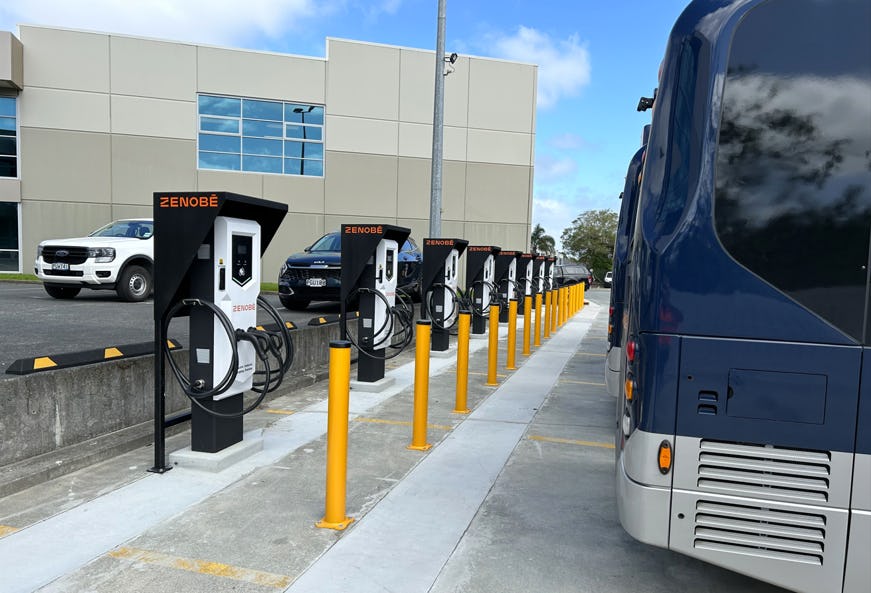
The energy sector is also heavily regulated, more so than e-commerce. And expanding infrastructure is costly. Meersman: “Each bus costs around £500,000. To finance 3,000, you need a lot of capital.” This affects the valuation of hardware companies. “In e-commerce or social media, investors are more optimistic because scaling is easier. Infrastructure is physical - you need people on the ground. We’re in 11 countries now, and for each new market, we ask: what do we offer, and how locally specified should it be?”
Impact
Zenobe’s work on physical infrastructure does appeal to employees. “It becomes very real when people see our buses on the street,” says Meersman. New employees are drawn to Zenobe’s impact, also in circularity.
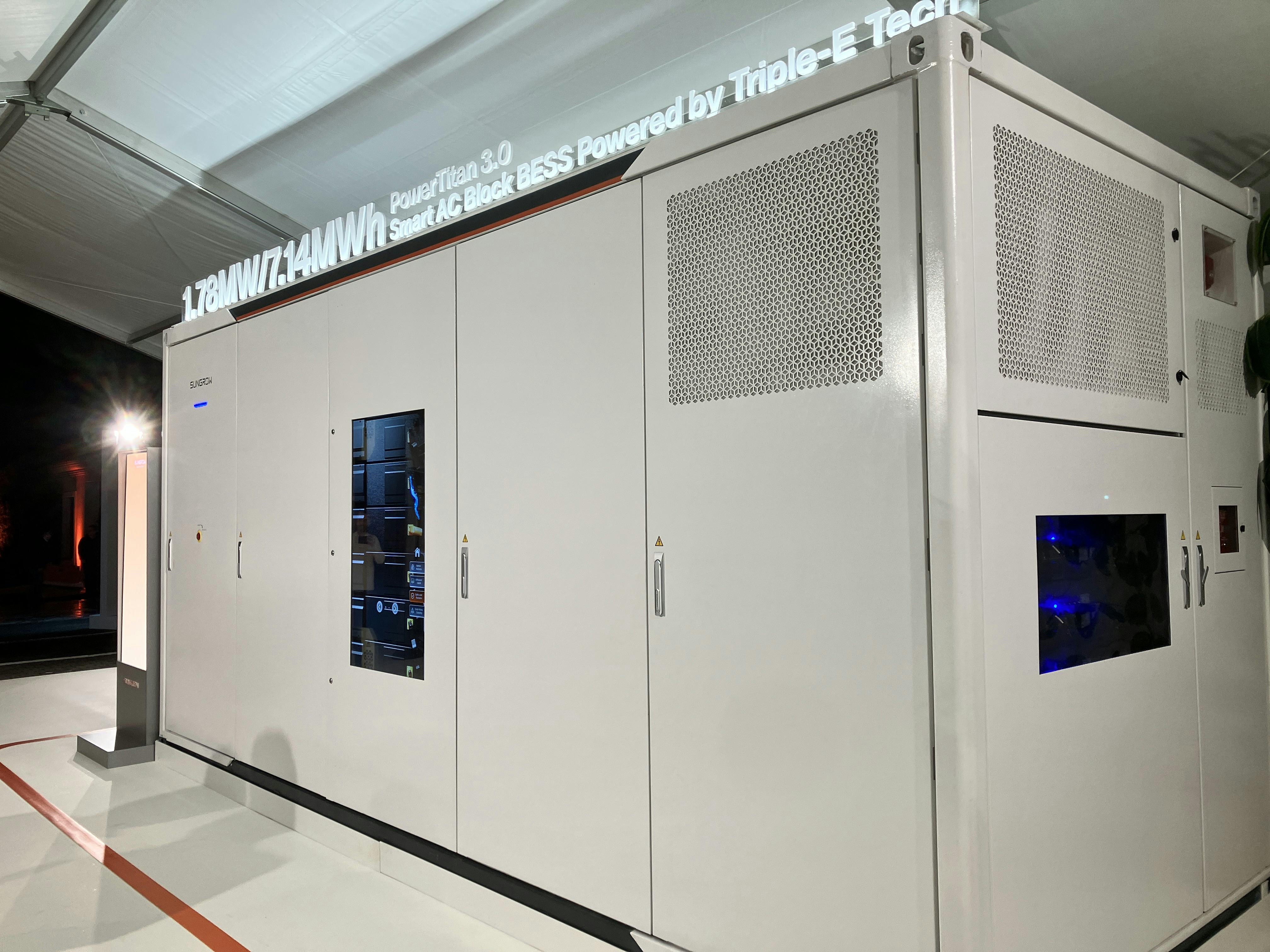
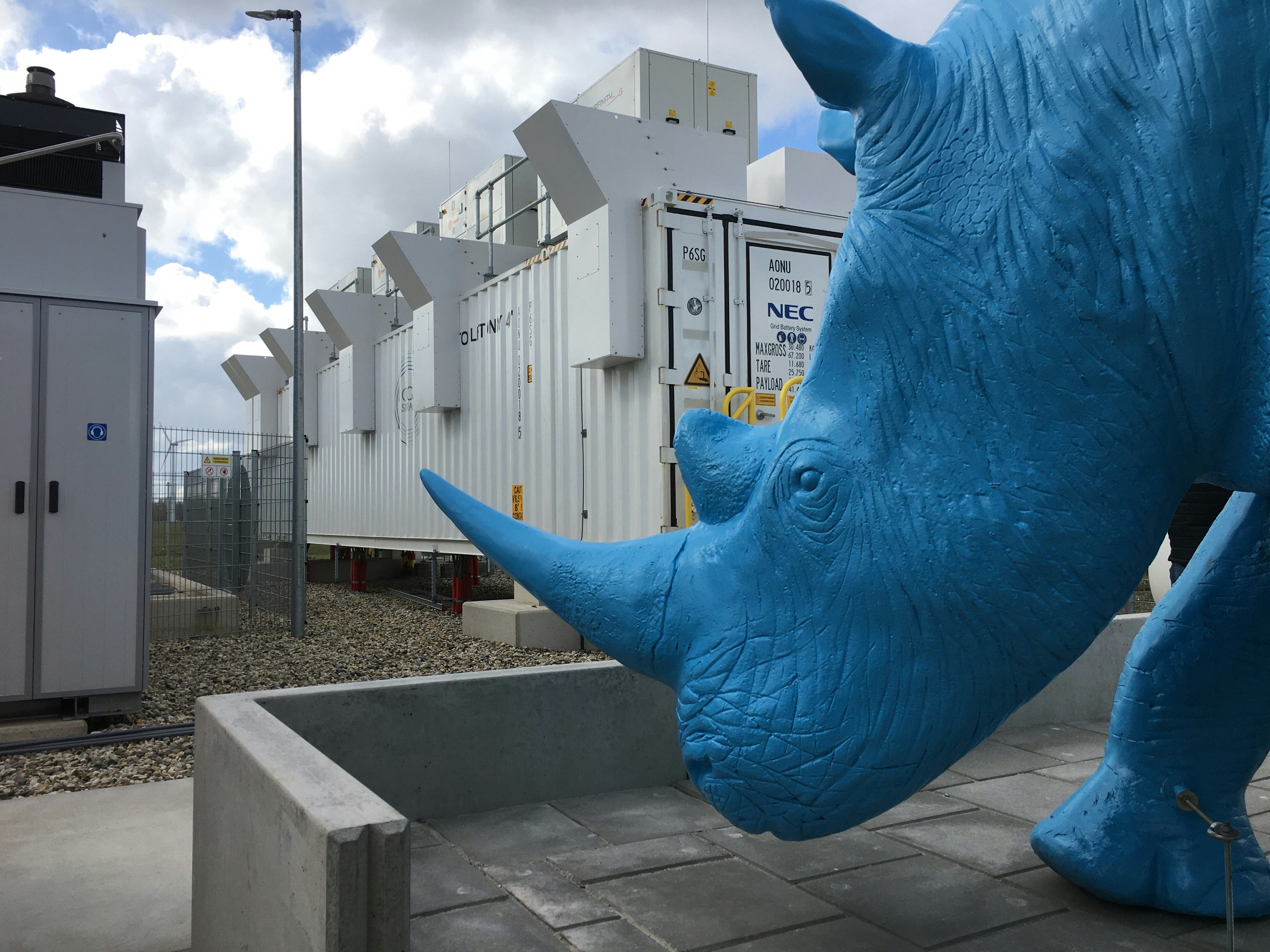
Since Zenobe leases rather than sells vehicles and batteries, they systematically get a second life, Meersman explains. “After seven or ten years, bus batteries can’t handle marathons - 250 to 400 km per day - but they can still sprint.” Zenobe’s second-life batteries often replace diesel generators on construction sites, film sets, and festivals or support high-demand locations like charging stations. Only after another five years, they are recycled at 98%.
Meersman: “It’s a waste to recycle batteries after just ten years, as there is still some life left in them. It’s socially responsible - and economically smart - to extract that value. Also geopolitically, it’s not bad if raw materials hop around here a bit longer.”